
Pet Food & Nutrition
A friendly guide to feeding dogs and cats with confidence.
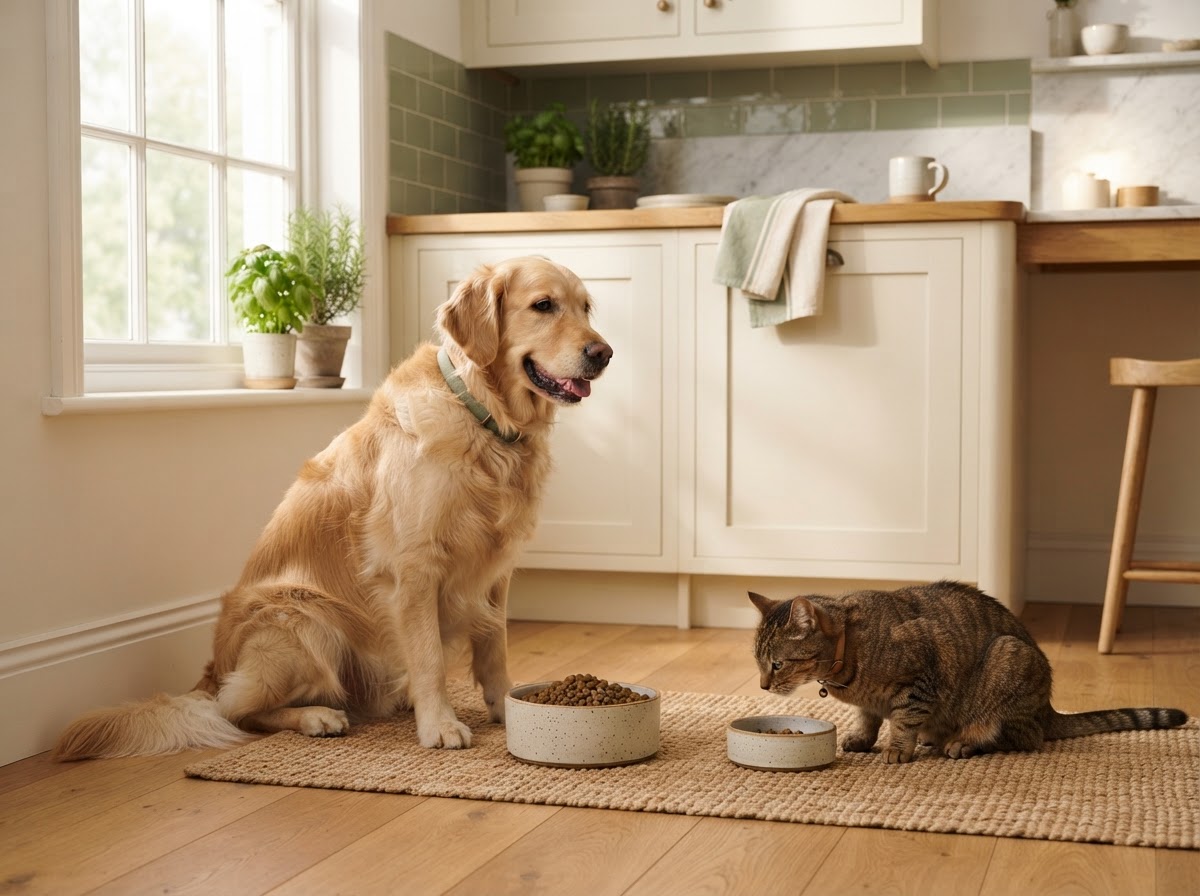
How to Choose Dog or Cat Food
Look for a food labeled complete and balanced for your pet’s species and life stage. Puppies and kittens have different nutritional needs than adults, and pets with medical conditions may need veterinary guidance. Marketing terms alone do not establish nutritional quality.
Portions, Treats, and Healthy Weight
Start with the food label’s feeding guidance, then adjust with your veterinarian based on your pet’s body condition and activity. Measure meals rather than guessing, and keep treats to a small part of daily calories. Fresh water should always be available.
Changing Your Pet’s Food
Many pets do better with a gradual transition over several days, mixing increasing amounts of the new food with the old. If your pet has a medical condition, food allergy, or ongoing digestive upset, ask your veterinarian before changing diets.
Foods to Keep Away From Pets
Keep chocolate, grapes and raisins, onions, xylitol-containing products, and alcohol away from pets. Some hazards differ between dogs and cats. If you suspect your pet ate something toxic, contact your veterinarian or an animal poison-control service promptly.
Keep Exploring
Visit Pet Health & Wellness for more ways to support your companion’s daily well-being. Pet Health & Wellness
This content is for general education and does not replace individualized veterinary advice.